For brands, distributors, and online sellers, phone cover wholesale from China remains one of the most practical ways to build a scalable accessory line with better margins, broader design options, and faster launch speed. However, cell phone cover wholesale only works well when the importer understands materials, compliance, landed cost, quality control, and factory capability before committing to samples or mass production.
In 2026, the category still offers strong opportunities, but importers cannot rely on a low FOB quote alone. Today’s buyers need to compare customization depth, shipping strategy, regulatory readiness, and reorder stability. This is especially true for companies selling to the United States and Europe, where customs, VAT, chemical compliance, and IP checks are getting stricter. According to the European Commission, about 4.6 billion low-value parcels entered the EU in 2024, nearly double the previous year, while VAT declared through OSS and IOSS reached EUR 33.1 billion, up 26 percent year over year.These figures make one point very clear: cross-border imports are being watched much more closely than before.
At the same time, smartphone adoption continues to support long-term demand for protective accessories. According to GSMA, smartphones accounted for 80 percent of mobile connections in 2024 and are expected to rise to 91 percent by 2030. Each new device cycle creates fresh demand for compatible cases across different styles and price points.
For importers, the message is straightforward. The opportunity is still there, but success now depends on making better sourcing decisions before placing the first bulk order.
Why Importers in the US and EU Still Buy Phone Covers from China
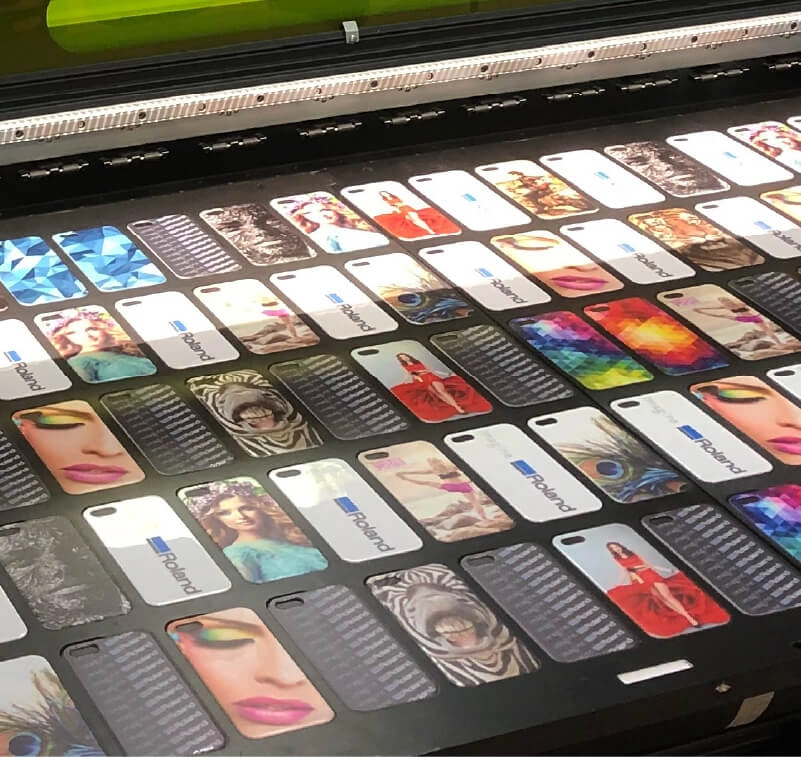
The smartphone market keeps growing, and demand for replacement cases stays strong as consumers upgrade devices and buy new styles. For importers, the real question is not whether the product still sells. The real question is whether they can source the right structure, at the right cost, from the right factory. Current mobile adoption trends show that importers can still succeed, as long as they make careful sourcing decisions.
China still offers the best sourcing ecosystem for importers who need fast prototyping, flexible decoration, and efficient production coordination. That supply-chain concentration remains difficult to match elsewhere in the phone accessory industry. On C&T’s public site, the company positions itself as a premium phone case manufacturer with OEM and ODM capability. Its manufacturing page highlights prototyping and quality control, while its ODM page focuses on speed, pricing, and IP protection.
Those signals are important because serious buyers normally prefer a manufacturing-focused partner instead of a retail-style catalog supplier.
Importers also value different things now than they did a few years ago. In the past, many buyers started with price and only later asked about materials, compliance, or packaging. Today, experienced buyers focus on reliability, quality, and long-term support. This shift makes sense. A supplier with a lower quote but unstable quality can destroy margin quickly through returns, bad reviews, and delayed reorders.
In real projects, the best importers treat the first order as a test, not a one-time deal. They ask better questions during sampling, compare products by channel, and test packaging before scaling. That approach may feel slower at the beginning, but it usually reduces risk later.
How to Compare Phone Cover Wholesale Suppliers
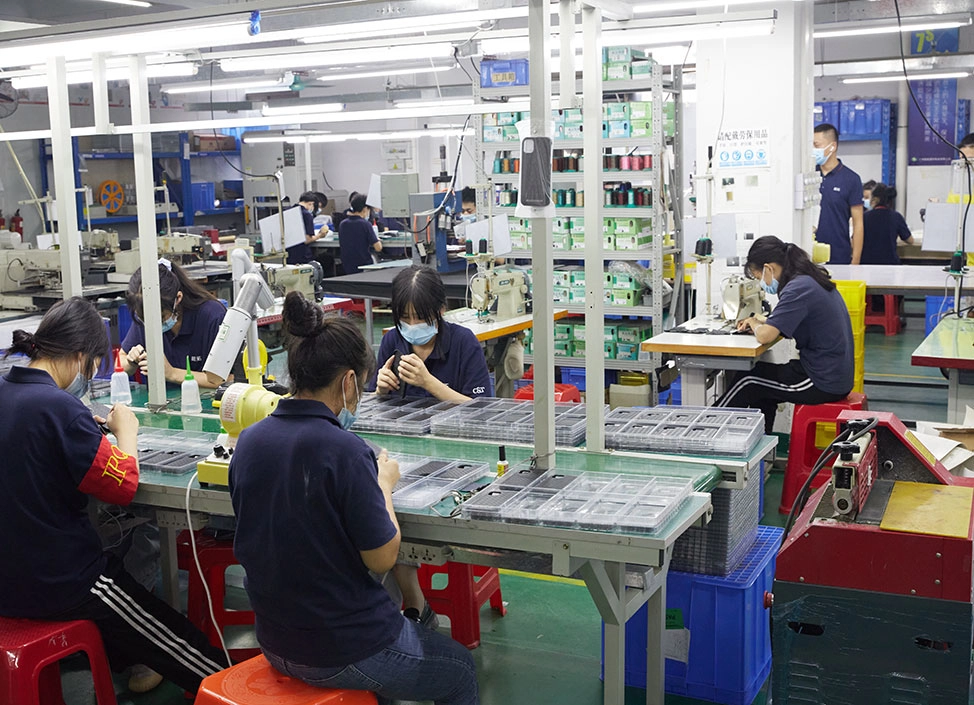
Price matters, but it should not be the starting point. A low quotation can hide compromises in raw material grade, wall thickness, print adhesion, magnet alignment, or packaging execution. So the real question is not who is cheapest, but who can deliver stable quality.
A real manufacturer usually explains its process flow, sample logic, material options, MOQ range, and quality control steps instead of only showing finished-product images. C&T does this across its homepage, manufacturing page, product catalog, and ODM page. Its positioning is consistent. The company presents itself as a factory partner focused on OEM and ODM development, rapid prototyping, broad category capability, and controlled production for brands and wholesalers.
MOQ should also be reviewed carefully. One of the most common importer mistakes is asking for one universal MOQ as if every case style follows the same economics. A simple clear TPU case, an IMD case, a MagSafe-compatible structure, and a leather-feel model may all require different setup logic, yield assumptions, and packaging cost. C&T’s manufacturing page gives MOQ references for several case types, which suggests a production-based approach rather than a vague sales answer.
Sampling speed and development logic are equally important. Before placing a bulk order, importers should confirm how many days sampling takes, what details require mold changes, how print or color is controlled, and at which points the product is checked before mass production. C&T’s ODM page states that the company can respond within 24 hours, complete sampling in 3 to 9 days, and develop more than 300 new designs per month. These details provide useful benchmarks when comparing suppliers because they reflect execution capacity rather than generic sales language.
Compliance matters more in 2026 than it did a few years ago. In the United States, U.S. Customs and Border Protection materials make clear that the Section 321 de minimis threshold is tied to the USD 800 per person, per day rule, and that shipments should not be split artificially to gain duty-free treatment. For importers, this means landed-cost planning matters more than before, especially when operating marketplace shipments or frequent replenishment models.
In Europe, importers need to think beyond VAT and shipping. The European Commission explains REACH with the principle of “no data, no market,” and notes that consumers have the right to know whether products contain harmful chemicals. In practice, phone case importers should review restricted substances, packaging claims, and supporting declarations as early as possible. EU customs procedures also require attention to EORI and proper documentation.
When choosing a supplier, a practical order of importance often works better than looking at price first. In most real sourcing situations, quality consistency ranks first because repeat defects cost more than a higher initial unit price. Material and process fit usually rank second because the wrong structure leads to returns and unstable reorder performance. Sampling and development speed come next because faster and more accurate development shortens launch cycles. Compliance readiness follows because customs, chemical declarations, and labeling problems can delay sales. Communication and reorder reliability are also critical because a strong first order means little if later production drifts in quality or lead time. Price still matters, but it usually makes more sense to judge it after these factors have been reviewed.
What to Ask Before Buying Phone Cover Wholesale
Material choice should follow your customer and sales channel, not only your design preference. TPU remains popular because it balances flexibility, grip, and shock absorption. Clear cases are often a safer starting category because they are easier to merchandise, easier to customize, and easier to reorder. MagSafe-compatible structures can improve perceived value, but they require tighter manufacturing control. Eco-oriented materials matter more when your customers care about sustainability claims and product story.
C&T’s eco pages support this angle with more specific manufacturing language than many general suppliers use. The company states that it was the first GRS-certified company in China’s 3C industry, and its public eco story says environmentally friendly products account for 60 percent of its product mix. These details are useful for buyers who want a greener line backed by a clearer factory narrative.
If you are planning assortment strategy, it helps to compare related category thinking across your internal content. A buyer researching the broader phone case business can better understand how positioning affects product choices. Reviewing what an iphone case company focuses on can help importers assess structure and market fit. Looking at color and style direction from leading cell phone case manufacturers can also improve product planning.
Design direction should balance trend appeal with reorder stability. The strongest bulk performers usually fall into three broad groups. The first group is core repeat-order models, such as clear, slim, and everyday protective designs with broad audience fit. The second group is value-upgrade models, such as MagSafe-compatible, kickstand, anti-drop, or textured finishes that can raise average order value. The third group is seasonal or trend-led models, including color-led or fashion-led SKUs that attract attention but may have shorter selling cycles.
That mix gives importers both stability and growth potential. For example, buyers reviewing wholesale custom phone cases or comparing best phone case makers should pay attention not only to appearance, but also to whether the structure can support repeat production.
Function-led models can increase average selling price, but only when they are stable in production. Kickstand, wallet, strap, and MagSafe-compatible cases all create more manufacturing complexity than simple one-piece structures. Hinges may loosen, magnetic alignment may drift, and assembly consistency may fall if the development cycle is rushed. For that reason, experienced importers usually test function-led cases more rigorously before scaling. If you want a lower-risk opening range, it makes sense to compare wholesale cases for phones with clear phone cases in bulk. In many projects, clear and core protective models provide the fastest feedback on sell-through and reorder potential.
Shipping and landed cost also need careful review. The importer who wins is not always the one with the lowest ex-factory price. More often, it is the one who understands total delivered cost most accurately. Before approving a bulk order, buyers should account for unit price, packaging cost, sample cost, tooling cost when applicable, freight, customs entry, VAT or local tax impact, inspection cost, likely return risk, and replenishment lead time. That is why many B2B buyers begin with a product development discussion around OEMODM Phone cases, then move into a broader review of a potential phone case supplier, compare the general phone case wholesale range, and finally look at greener assortments such as sustainable phone cases.
The Most Common Mistakes Importers Make When Sourcing from China
The biggest mistake is still choosing the cheapest quote without understanding what has been reduced to reach that number. Lower quotes often lead to weaker anti-yellowing performance, less consistent button feel, thinner structure, or poorer packaging execution.
Another common mistake is ordering too many styles in the first purchase order. Many buyers try to look complete from the beginning, but a smaller SKU range with stronger validation usually performs better than a large assortment full of untested designs.
Importers also underestimate IP, labeling, and sustainability risk. OECD and EUIPO report that counterfeit and pirated goods accounted for up to 2.3 percent of global trade and up to 4.7 percent of EU imports in 2021. For accessory buyers, that is a strong reminder to avoid copied artwork, unclear licensing, and unsupported claims. The same logic applies to environmental positioning. If a case is sold as recycled, biodegradable, or sustainable, the importer should confirm what standard supports that claim and how the factory documents it.
Why C&T Is Positioned for Serious B2B Importers
C&T’s site presents a consistent manufacturer-focused story. The homepage centers on premium manufacturing and OEM/ODM capability. The manufacturing page emphasizes custom design, rapid prototyping, and quality-controlled production. The ODM page highlights fast response, sampling speed, factory pricing, and IP protection. The eco section supports a sustainability narrative with GRS-backed messaging. Together, these pages show a factory partner that is built around brand, wholesaler, and importer needs rather than retail sales alone.
What makes this positioning stronger is the combination of OEM and ODM orientation, broad category coverage, sustainability capability, sample-to-production workflow, confidentiality language, and a clear manufacturing identity. Many suppliers can make phone cases. Fewer can present a complete B2B proposition that helps importers launch, control, and reorder with confidence.
Final Thoughts
Importing from China can still be highly profitable, but the standard for success is higher than before. In 2026, profitable sourcing depends less on chasing the cheapest quote and more on understanding materials, compliance, landed cost, and reorder discipline. For that reason, the best approach to phone cover wholesale is not transactional. It is strategic.
If you sell to the United States or Europe, start small, test carefully, and choose a reliable partner. Done well, cell phone cover wholesale can still deliver strong margins, lower launch risk, and a more defensible product line in a crowded market.
FAQ
Why do many importers still buy phone covers from China?
China still offers strong manufacturing capacity, flexible customization, and competitive pricing. For many importers, it is easier to source different materials, finishes, packaging options, and custom designs from one supply chain.
Why do many importers still buy phone covers from China?
The MOQ depends on the product type, material, and customization level. Simple models usually have a lower MOQ, while custom designs, special finishes, or new molds often require a higher quantity.
How can I check if a phone cover supplier is a real manufacturer?
You can review the supplier’s website, production process, sample workflow, factory capability, and product range. A real manufacturer usually explains materials, MOQ, quality control, customization, and lead times clearly.
What materials are most common in phone cover wholesale?
The most common materials include TPU, PC, silicone, leather-style materials, and recycled materials. Each material has different advantages in protection, appearance, flexibility, and price.
How long does it take to make samples for wholesale phone covers?
Sample lead time usually depends on the product complexity and whether mold changes are needed. Standard styles can often be sampled faster, while customized designs may take longer.
What should importers check before placing a bulk order?
Importers should check material quality, sample accuracy, packaging details, MOQ, lead time, shipping cost, compliance documents, and the factory’s quality control process before confirming a bulk order.
Is phone cover wholesale from China safe for US and EU importers?
Yes, it can be safe when importers work with reliable manufacturers and check product quality, compliance, and shipping documents carefully. It is important to review customs, VAT, chemical requirements, and labeling before shipment.
What type of phone covers sell best in wholesale?
Clear cases, protective TPU cases, MagSafe-compatible cases, and trend-driven designs are among the most popular wholesale options. The best choice depends on your target market, pricing strategy, and sales channel.
How do I choose the right phone cover wholesale supplier?
You should compare suppliers based on quality consistency, sample reliability, communication speed, customization support, and production capability, not only price. A supplier with stable quality is usually a better long-term partner.
Why is sampling important before placing a wholesale order?
Sampling helps importers confirm material, finish, fit, print quality, packaging, and overall product consistency before moving to mass production. It reduces risk and helps avoid costly problems in bulk orders.