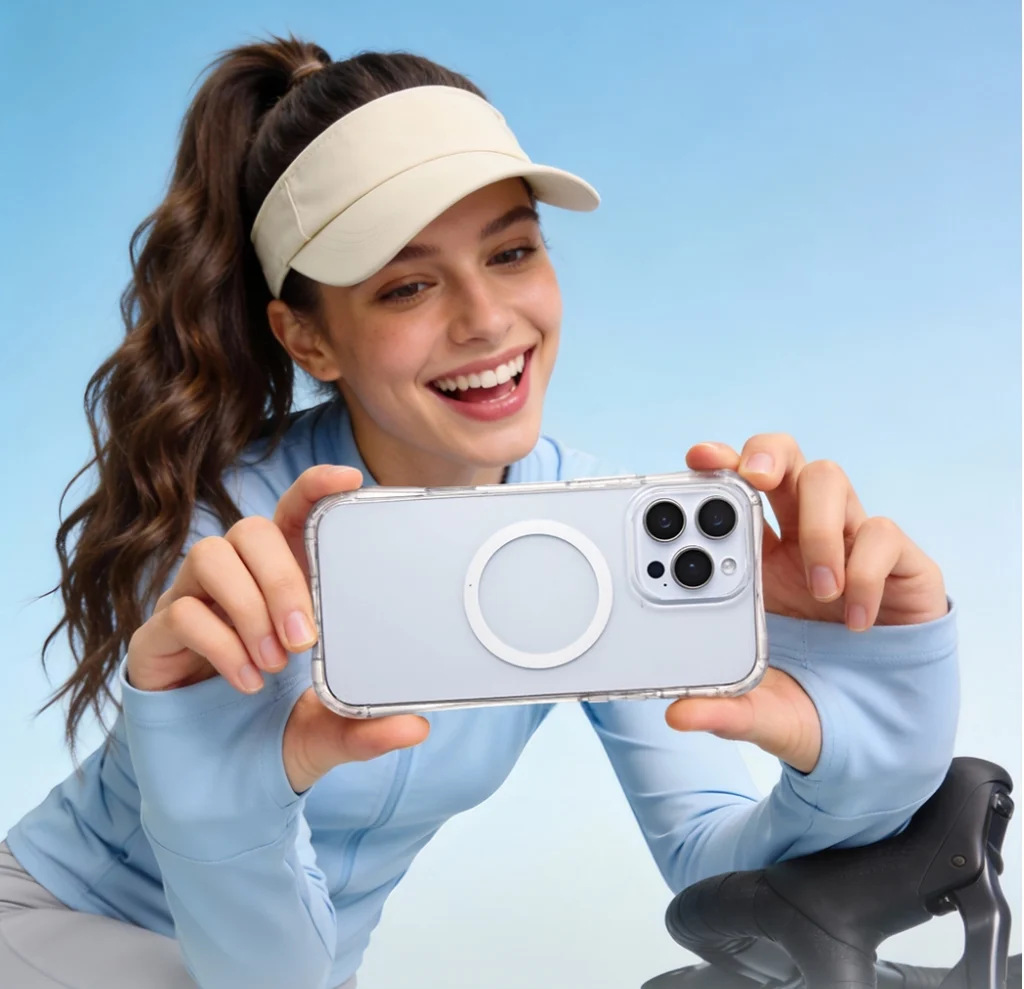
TPU has become one of the most requested materials in modern case lines, and best phone case makers keep using it because it balances flexibility, grip, and protection in real daily use. For brands and wholesalers evaluating material choices, best phone case manufacturers often recommend TPU when they want a slimmer feel without giving up impact resistance.
C&T is not a retail seller. C&T runs a manufacturing-focused phone case factory, so this guide explains TPU from a production and sourcing perspective, not from a consumer-only angle. On C&T’s homepage, the brand positions itself as a “premium phone case manufacturer” that supports custom OEM/ODM, factory pricing, and fast production.
Understanding the Basics of TPU for best phone case makers
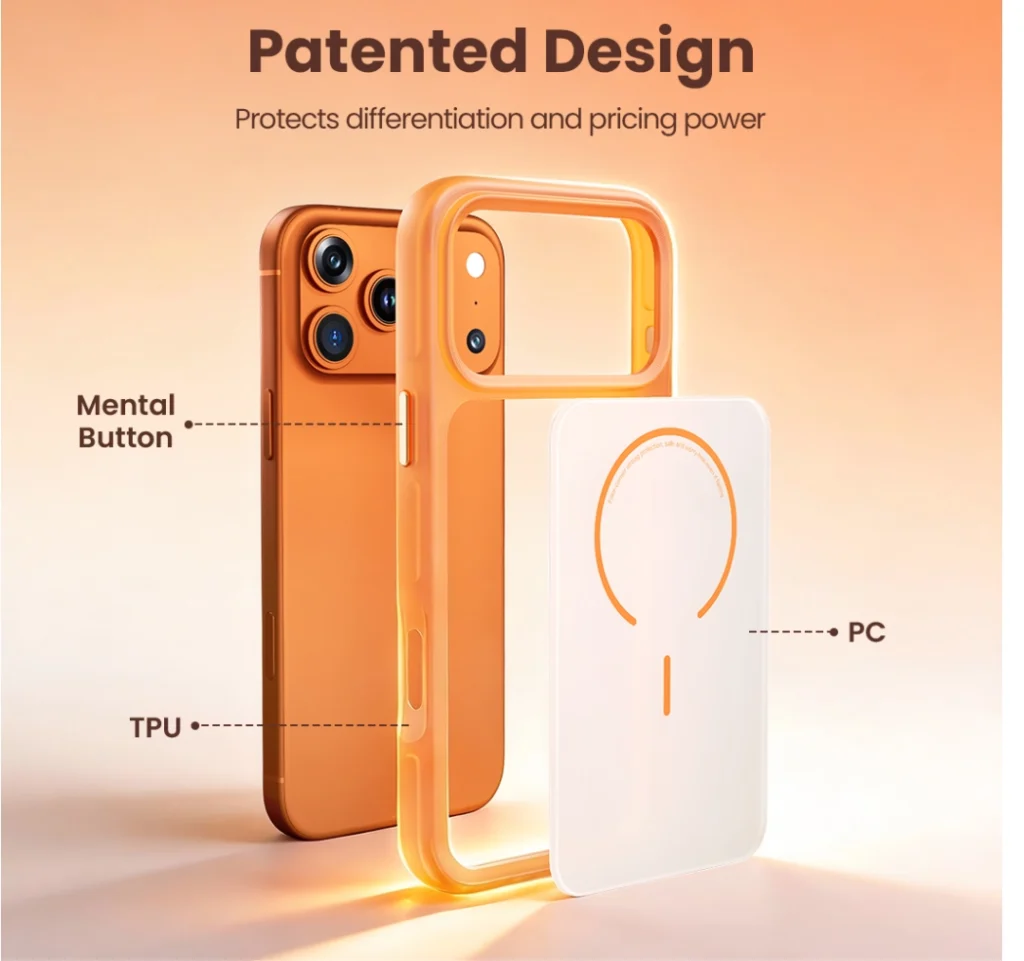
TPU stands for thermoplastic polyurethane. People often describe it as a “flexible plastic,” but that oversimplifies why good phone case companies choose it. TPU behaves like a thermoplastic elastomer: it can flex and rebound, yet it still holds shape well enough for precise fit and button response. Industry material suppliers also highlight TPU’s tunable hardness and performance ranges, which helps case developers select the right grade for different use-cases.
In phone cases, TPU commonly appears as a frame, a full-body shell, or the shock-absorbing layer in a multi-material structure. For example, C&T’s own TPU product pages emphasize everyday protection features such as durable construction, impact buffering, and bulk-order suitability.
From a factory viewpoint, TPU matters because it supports repeatable molding, consistent fit, and scalable production when the material grade and processing parameters are controlled.
Why Choose TPU Cases for Your Phone
TPU cases win demand because they feel “secure” in hand and “forgiving” in drops. People notice grip immediately, so TPU often reduces the slippery feeling that hard plastics can create. At the same time, TPU can absorb impact energy better than rigid-only shells in many everyday drops, which helps brands reduce return risk.
TPU also supports modern design needs. Brands want slim silhouettes, precise cutouts, and tactile buttons. TPU usually delivers those features without the stiffness that can make installation frustrating. Meanwhile, many buyers care about yellowing, so manufacturers often combine TPU with UV-resistant additives or coatings depending on the product positioning. C&T highlights anti-yellowing and clarity benefits on its clear TPU case presentation.
If you want to see how a factory organizes and presents a complete phone case range, C&T’s phone case category messaging focuses on a full product line and responsive customization for global demand.
Key Features of TPU Phone Cases for best phone case makers
When best phone case makers build TPU cases for wholesale programs, they usually optimize for four practical outcomes: weight control, shock behavior, surface durability, and long-term appearance.
Durable and Lightweight
TPU supports thin walls while maintaining flexibility. As a result, brands can keep cases lightweight and comfortable for daily carry. That matters for B2B catalogs because lighter SKUs often convert better on “slim protection” product pages.
Protection from Scratches and Drops
TPU’s elasticity helps dissipate energy on impact, especially around corners. Manufacturers often reinforce corners with geometry and thickness tuning rather than simply adding bulk.
Fingerprint Resistance
Surface texture does most of the work here. Matte micro-texture can reduce visible smudges, while glossy TPU can show fingerprints more easily. Therefore, the right finish choice depends on your market and your photography style.
Shock Absorption
Shock absorption comes from both material and design. TPU can cushion impacts, but case engineers still need the right corner radii, interior ribs, and frame structure. C&T’s TPU protective case positioning focuses heavily on comfortable grip and strong protection, which signals this engineering-driven approach.
Advantages of Thermoplastic Polyurethane Phone Cases
TPU remains popular because it offers a reliable middle ground. It feels softer than polycarbonate, yet it usually outlasts very soft materials that deform too easily. It also supports a broad hardness range, which helps brands create families of cases from “everyday slim” to “rugged hybrid” without switching to completely different materials.
From a production standpoint, TPU also offers a practical advantage: once your mold, material grade, and processing conditions are stable, factories can produce consistent batches with fewer fit issues. That consistency matters to wholesalers who want predictable reorder outcomes.
Can TPU Phone Cases Be Customized
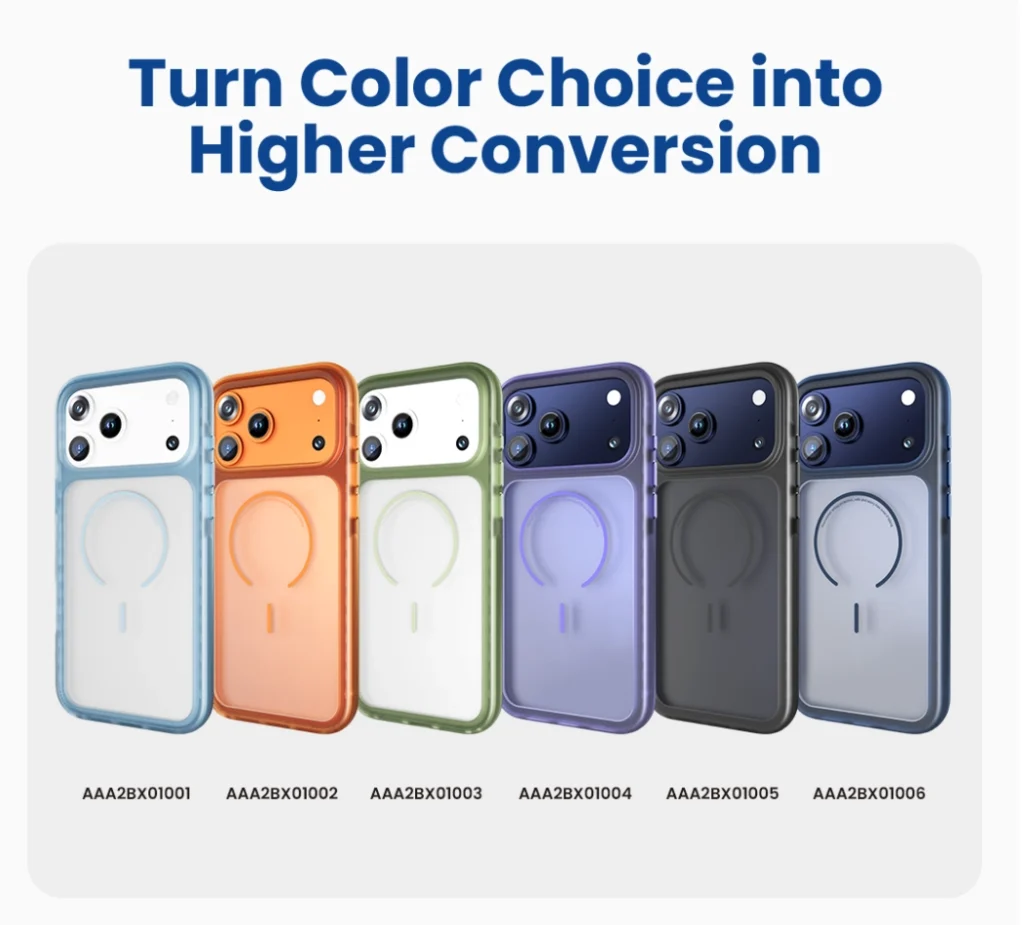
Yes, and customization is one reason TPU is so widely used. Brands can customize TPU cases through color matching, surface texture, printed graphics, coatings, and hybrid structures. However, the manufacturing plan should start with the finishing requirement, because printing and coatings interact with TPU surfaces differently than with hard plastics.
For OEM/ODM buyers, supplier capability matters more than material alone. C&T presents itself as a factory that supports custom OEM/ODM and fast production, which is exactly the operational promise B2B buyers look for when they need repeatable customization at scale.
If you are evaluating suppliers based on capability and consistency, you can compare how C&T frames selection criteria in its own “best phone case makers” content, which discusses how buyers choose reliable manufacturers for brand needs.
How Does TPU Compare to Other Phone Case Materials
TPU vs PC often comes down to feel and impact behavior. PC provides rigidity and crisp structure, while TPU brings grip and flexibility. Many premium products combine them, because the rigid back supports structure and the TPU frame supports drops.
TPU vs silicone often comes down to long-term performance. Silicone feels very soft, yet it can attract dust and may stretch over time depending on formulation. TPU usually keeps a more stable “shape memory,” which helps maintain fit.
TPU vs leather is a positioning choice. Leather can signal luxury and style, but it changes the cost and care profile. TPU often fits broader wholesale programs because it supports consistent mass production and lower variability.
For a mainstream, easy-to-understand comparison of common phone case materials, you can reference an independent materials breakdown from a consumer brand blog for context.
For a more technical overview of TPU properties and processing considerations, you can reference a plastics industry guide that summarizes TPU definition and key performance traits.
How Can You Take Care of Your TPU Phone Case
Care guidance reduces returns and improves customer satisfaction, so it also helps wholesale clients. Most TPU cases stay cleaner when users wipe them with mild soap and water, avoid harsh solvents, and keep them away from strong dyes that can stain. If your product uses clear TPU, you can also position UV-resistance as a benefit when the formulation supports it, because buyers worry about yellowing over time. C&T’s clear TPU positioning explicitly addresses anti-yellowing as part of the value story.
Summary for best phone case makers
TPU means thermoplastic polyurethane, and best phone case makers choose it because it helps them balance protection, grip, slim design, and scalable production. When you develop TPU case lines for 2026, you should treat TPU as a system choice: material grade, mold design, finish strategy, and quality control all work together.
C&T differentiates itself by operating as a manufacturing-focused factory rather than a retail brand. That focus matters for bulk buyers because it supports repeatable OEM/ODM workflows, stable production, and consistent batch delivery. If you plan a TPU-based collection and want a factory partner to support sampling and mass production, start by reviewing C&T’s manufacturing positioning and product range on its official site.